














Game Page
The Choicer Voicer
An Original Guide to The Choicer Voicer
Your Voice Is the Route
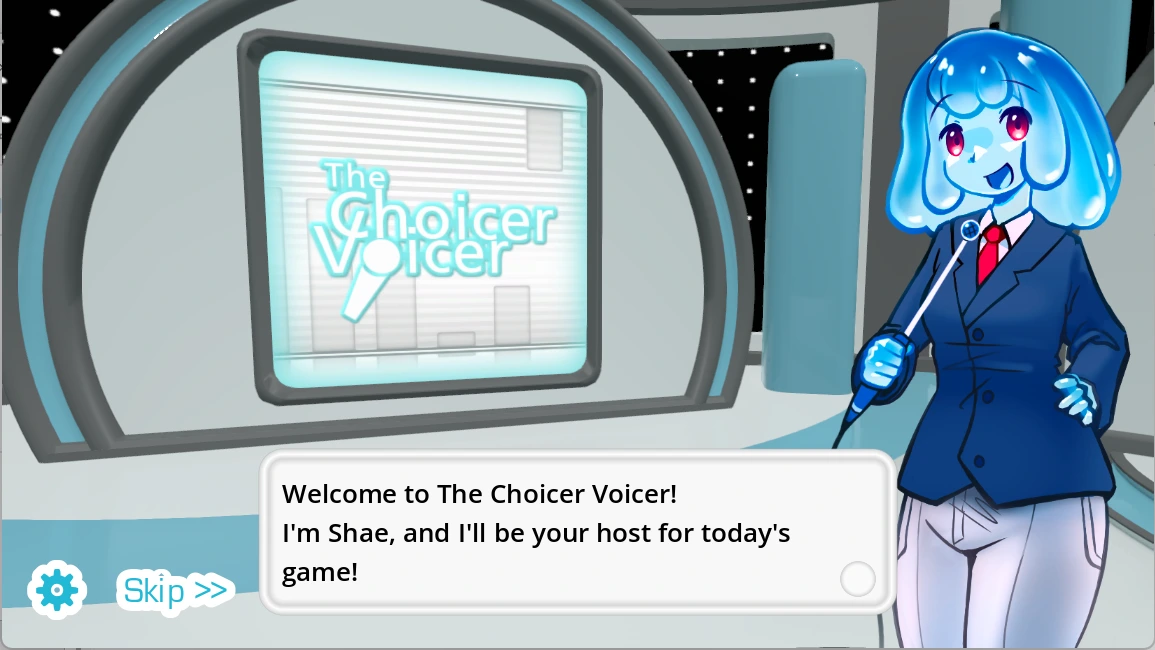
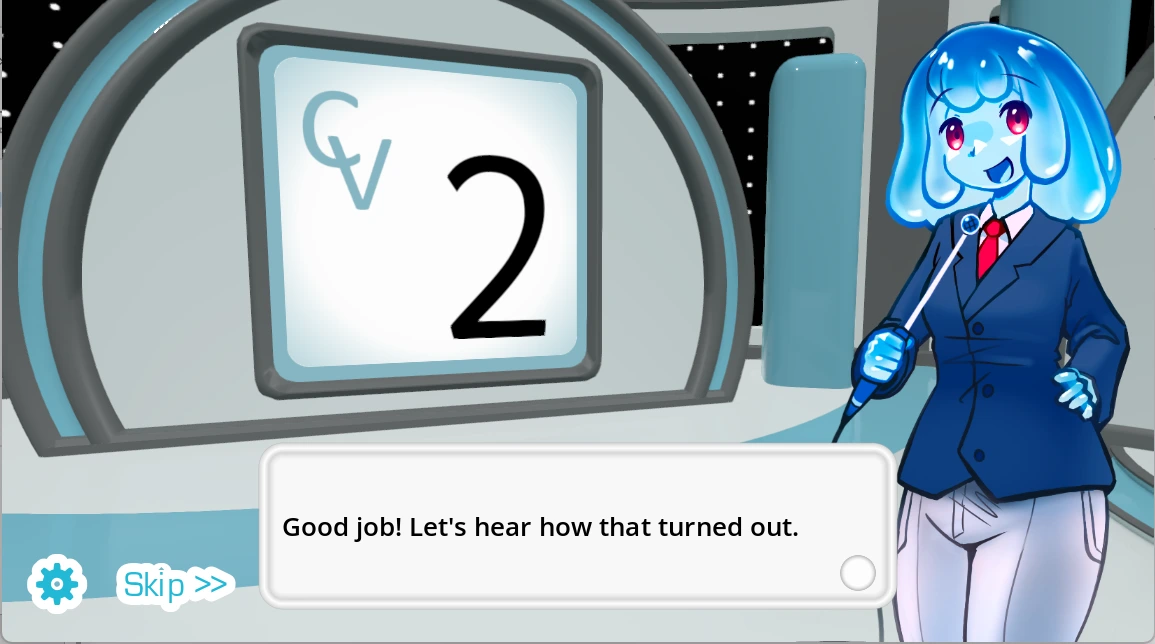
The microphone replaces the usual dialogue choice as the input that gives the scene direction. The Choicer Voicer resembles a branching performance scene because the same prompt can lead to several emotional readings. A player can deliver one line as a threat, confession, joke, imitation, or deliberately terrible audition. The studio presentation makes that flexibility visible: a host introduces the moment, judges react, and the performer decides whether to play safely or commit to a distinct character. The important choice happens inside the voice rather than inside a menu box.
For a clean first take, use the mouse to select a mode and available content, then launch a microphone test before beginning a full session. Approve the browser prompt, confirm the correct input device, and speak at an ordinary conversational level. Listen to the source once without talking. Identify the words, rhythm, strongest emphasis, pitch movement, pauses, and attitude. Record from a consistent distance, review the response, and change only one quality on the next attempt. Louder is not automatically clearer; clipping and room echo can hide the delivery you meant to improve.
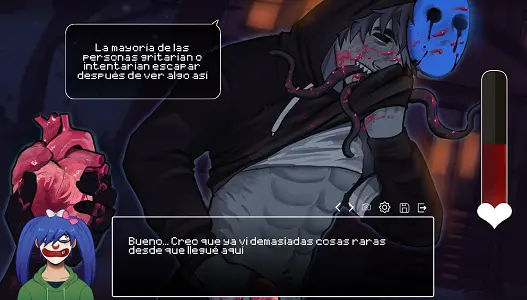
This TADC Dating Sim edition reads every performance as a miniature character route. Keep the wording stable and test how tone changes the apparent relationship between speaker and listener. The developer describes the project as early access, with limited built-in content and known reports of microphone incompatibility on some audio setups. A failed recording can therefore be technical evidence, not a verdict on the performer. Test before inviting a group, use clips you are allowed to use, and remember that the current project does not advertise online multiplayer.
Permission Comes Before Performance
A browser cannot hear the player until both site permission and operating-system privacy settings allow the selected microphone. The Choicer Voicer resembles a branching performance scene because the same prompt can lead to several emotional readings. A player can deliver one line as a threat, confession, joke, imitation, or deliberately terrible audition. The studio presentation makes that flexibility visible: a host introduces the moment, judges react, and the performer decides whether to play safely or commit to a distinct character. The important choice happens inside the voice rather than inside a menu box.
For a clean first take, use the mouse to select a mode and available content, then launch a microphone test before beginning a full session. Approve the browser prompt, confirm the correct input device, and speak at an ordinary conversational level. Listen to the source once without talking. Identify the words, rhythm, strongest emphasis, pitch movement, pauses, and attitude. Record from a consistent distance, review the response, and change only one quality on the next attempt. Louder is not automatically clearer; clipping and room echo can hide the delivery you meant to improve.
This TADC Dating Sim edition reads every performance as a miniature character route. Keep the emotional intention stable and test whether a different cadence makes that intention easier to recognize. The developer describes the project as early access, with limited built-in content and known reports of microphone incompatibility on some audio setups. A failed recording can therefore be technical evidence, not a verdict on the performer. Test before inviting a group, use clips you are allowed to use, and remember that the current project does not advertise online multiplayer.
A Familiar Pack Creates Better Rehearsal
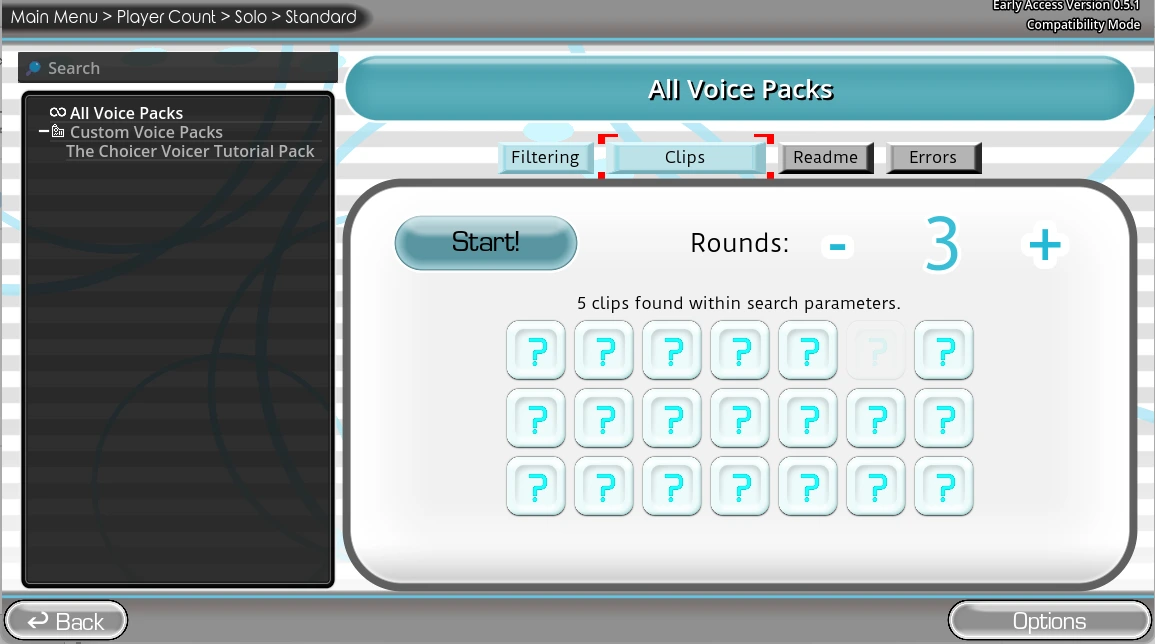
Short clips you already understand make timing and character easier to compare than a large unfamiliar collection. The Choicer Voicer resembles a branching performance scene because the same prompt can lead to several emotional readings. A player can deliver one line as a threat, confession, joke, imitation, or deliberately terrible audition. The studio presentation makes that flexibility visible: a host introduces the moment, judges react, and the performer decides whether to play safely or commit to a distinct character. The important choice happens inside the voice rather than inside a menu box.
For a clean first take, use the mouse to select a mode and available content, then launch a microphone test before beginning a full session. Approve the browser prompt, confirm the correct input device, and speak at an ordinary conversational level. Listen to the source once without talking. Identify the words, rhythm, strongest emphasis, pitch movement, pauses, and attitude. Record from a consistent distance, review the response, and change only one quality on the next attempt. Louder is not automatically clearer; clipping and room echo can hide the delivery you meant to improve.
This TADC Dating Sim edition reads every performance as a miniature character route. Keep the wording stable and test how tone changes the apparent relationship between speaker and listener. The developer describes the project as early access, with limited built-in content and known reports of microphone incompatibility on some audio setups. A failed recording can therefore be technical evidence, not a verdict on the performer. Test before inviting a group, use clips you are allowed to use, and remember that the current project does not advertise online multiplayer.
Listen for More Than Words
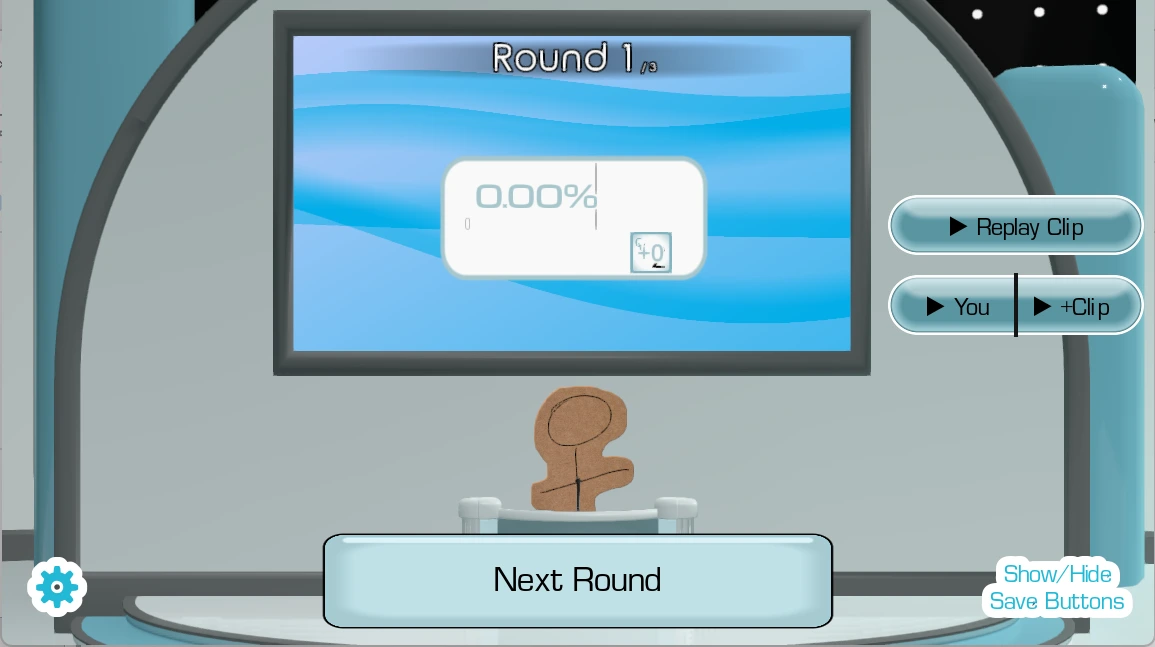
Cadence, pauses, pitch direction, volume, texture, and attitude can matter as much as repeating the exact sentence. The Choicer Voicer resembles a branching performance scene because the same prompt can lead to several emotional readings. A player can deliver one line as a threat, confession, joke, imitation, or deliberately terrible audition. The studio presentation makes that flexibility visible: a host introduces the moment, judges react, and the performer decides whether to play safely or commit to a distinct character. The important choice happens inside the voice rather than inside a menu box.
For a clean first take, use the mouse to select a mode and available content, then launch a microphone test before beginning a full session. Approve the browser prompt, confirm the correct input device, and speak at an ordinary conversational level. Listen to the source once without talking. Identify the words, rhythm, strongest emphasis, pitch movement, pauses, and attitude. Record from a consistent distance, review the response, and change only one quality on the next attempt. Louder is not automatically clearer; clipping and room echo can hide the delivery you meant to improve.
This TADC Dating Sim edition reads every performance as a miniature character route. Keep the emotional intention stable and test whether a different cadence makes that intention easier to recognize. The developer describes the project as early access, with limited built-in content and known reports of microphone incompatibility on some audio setups. A failed recording can therefore be technical evidence, not a verdict on the performer. Test before inviting a group, use clips you are allowed to use, and remember that the current project does not advertise online multiplayer.
Treat Judges as Characters, Not Truth
Automated judging is entertaining feedback, not an objective measurement of acting ability or vocal quality. The Choicer Voicer resembles a branching performance scene because the same prompt can lead to several emotional readings. A player can deliver one line as a threat, confession, joke, imitation, or deliberately terrible audition. The studio presentation makes that flexibility visible: a host introduces the moment, judges react, and the performer decides whether to play safely or commit to a distinct character. The important choice happens inside the voice rather than inside a menu box.
For a clean first take, use the mouse to select a mode and available content, then launch a microphone test before beginning a full session. Approve the browser prompt, confirm the correct input device, and speak at an ordinary conversational level. Listen to the source once without talking. Identify the words, rhythm, strongest emphasis, pitch movement, pauses, and attitude. Record from a consistent distance, review the response, and change only one quality on the next attempt. Louder is not automatically clearer; clipping and room echo can hide the delivery you meant to improve.
This TADC Dating Sim edition reads every performance as a miniature character route. Keep the wording stable and test how tone changes the apparent relationship between speaker and listener. The developer describes the project as early access, with limited built-in content and known reports of microphone incompatibility on some audio setups. A failed recording can therefore be technical evidence, not a verdict on the performer. Test before inviting a group, use clips you are allowed to use, and remember that the current project does not advertise online multiplayer.
Local Multiplayer Needs Stage Etiquette
Up to four local performers benefit from assigned microphones, clear turns, comfortable levels, and consent around recording. The Choicer Voicer resembles a branching performance scene because the same prompt can lead to several emotional readings. A player can deliver one line as a threat, confession, joke, imitation, or deliberately terrible audition. The studio presentation makes that flexibility visible: a host introduces the moment, judges react, and the performer decides whether to play safely or commit to a distinct character. The important choice happens inside the voice rather than inside a menu box.
For a clean first take, use the mouse to select a mode and available content, then launch a microphone test before beginning a full session. Approve the browser prompt, confirm the correct input device, and speak at an ordinary conversational level. Listen to the source once without talking. Identify the words, rhythm, strongest emphasis, pitch movement, pauses, and attitude. Record from a consistent distance, review the response, and change only one quality on the next attempt. Louder is not automatically clearer; clipping and room echo can hide the delivery you meant to improve.
This TADC Dating Sim edition reads every performance as a miniature character route. Keep the emotional intention stable and test whether a different cadence makes that intention easier to recognize. The developer describes the project as early access, with limited built-in content and known reports of microphone incompatibility on some audio setups. A failed recording can therefore be technical evidence, not a verdict on the performer. Test before inviting a group, use clips you are allowed to use, and remember that the current project does not advertise online multiplayer.
Dub Mode Changes the Story Rhythm
Voiceover work asks the performer to inhabit a scene in real time rather than simply win a short judged round. The Choicer Voicer resembles a branching performance scene because the same prompt can lead to several emotional readings. A player can deliver one line as a threat, confession, joke, imitation, or deliberately terrible audition. The studio presentation makes that flexibility visible: a host introduces the moment, judges react, and the performer decides whether to play safely or commit to a distinct character. The important choice happens inside the voice rather than inside a menu box.
For a clean first take, use the mouse to select a mode and available content, then launch a microphone test before beginning a full session. Approve the browser prompt, confirm the correct input device, and speak at an ordinary conversational level. Listen to the source once without talking. Identify the words, rhythm, strongest emphasis, pitch movement, pauses, and attitude. Record from a consistent distance, review the response, and change only one quality on the next attempt. Louder is not automatically clearer; clipping and room echo can hide the delivery you meant to improve.
This TADC Dating Sim edition reads every performance as a miniature character route. Keep the wording stable and test how tone changes the apparent relationship between speaker and listener. The developer describes the project as early access, with limited built-in content and known reports of microphone incompatibility on some audio setups. A failed recording can therefore be technical evidence, not a verdict on the performer. Test before inviting a group, use clips you are allowed to use, and remember that the current project does not advertise online multiplayer.
Customization Is Part of the Authorship
Hosts, judges, studios, contestants, menus, and content packs let a group decide what kind of show it wants to create. The Choicer Voicer resembles a branching performance scene because the same prompt can lead to several emotional readings. A player can deliver one line as a threat, confession, joke, imitation, or deliberately terrible audition. The studio presentation makes that flexibility visible: a host introduces the moment, judges react, and the performer decides whether to play safely or commit to a distinct character. The important choice happens inside the voice rather than inside a menu box.
For a clean first take, use the mouse to select a mode and available content, then launch a microphone test before beginning a full session. Approve the browser prompt, confirm the correct input device, and speak at an ordinary conversational level. Listen to the source once without talking. Identify the words, rhythm, strongest emphasis, pitch movement, pauses, and attitude. Record from a consistent distance, review the response, and change only one quality on the next attempt. Louder is not automatically clearer; clipping and room echo can hide the delivery you meant to improve.
This TADC Dating Sim edition reads every performance as a miniature character route. Keep the emotional intention stable and test whether a different cadence makes that intention easier to recognize. The developer describes the project as early access, with limited built-in content and known reports of microphone incompatibility on some audio setups. A failed recording can therefore be technical evidence, not a verdict on the performer. Test before inviting a group, use clips you are allowed to use, and remember that the current project does not advertise online multiplayer.
The Choicer Voicer FAQ
What is The Choicer Voicer?
The Choicer Voicer is a microphone party game where vocal impressions become game-show performances shaped by custom voice packs, judge panels, hosts, studios, Dub Mode, and local multiplayer.
How do I play The Choicer Voicer online?
Press Play, allow microphone access, select a mode and content, listen to the prompt, then perform the impression into the chosen input device.
Why is microphone permission required?
Voice is the main gameplay input, so the embedded frame needs explicit browser and operating-system permission before it can record.
Why is my microphone not recording?
Check the site permission icon, system privacy settings, selected input, other apps using the mic, browser focus, and whether a basic stereo setup works.
What is a voice pack?
A voice pack is a set of audio prompts used for impressions. Begin with a short, familiar set and use only files you created or have permission to use.
How many people can play locally?
The published project page describes a simple local multiplayer format for up to four players.
What is Dub Mode?
Dub Mode supports voiceover performances over scenes, emphasizing timing and creative interpretation rather than a normal judged impression.
Does it have online multiplayer?
No. The developer states that online multiplayer is not currently available.
Is the automated score always accurate?
Treat judging as playful comparative feedback, not a perfect or objective evaluation of acting skill.
How can I protect my voice?
Use conversational volume, keep a comfortable mic distance, avoid repeated shouting, drink water, and stop if your throat feels strained.